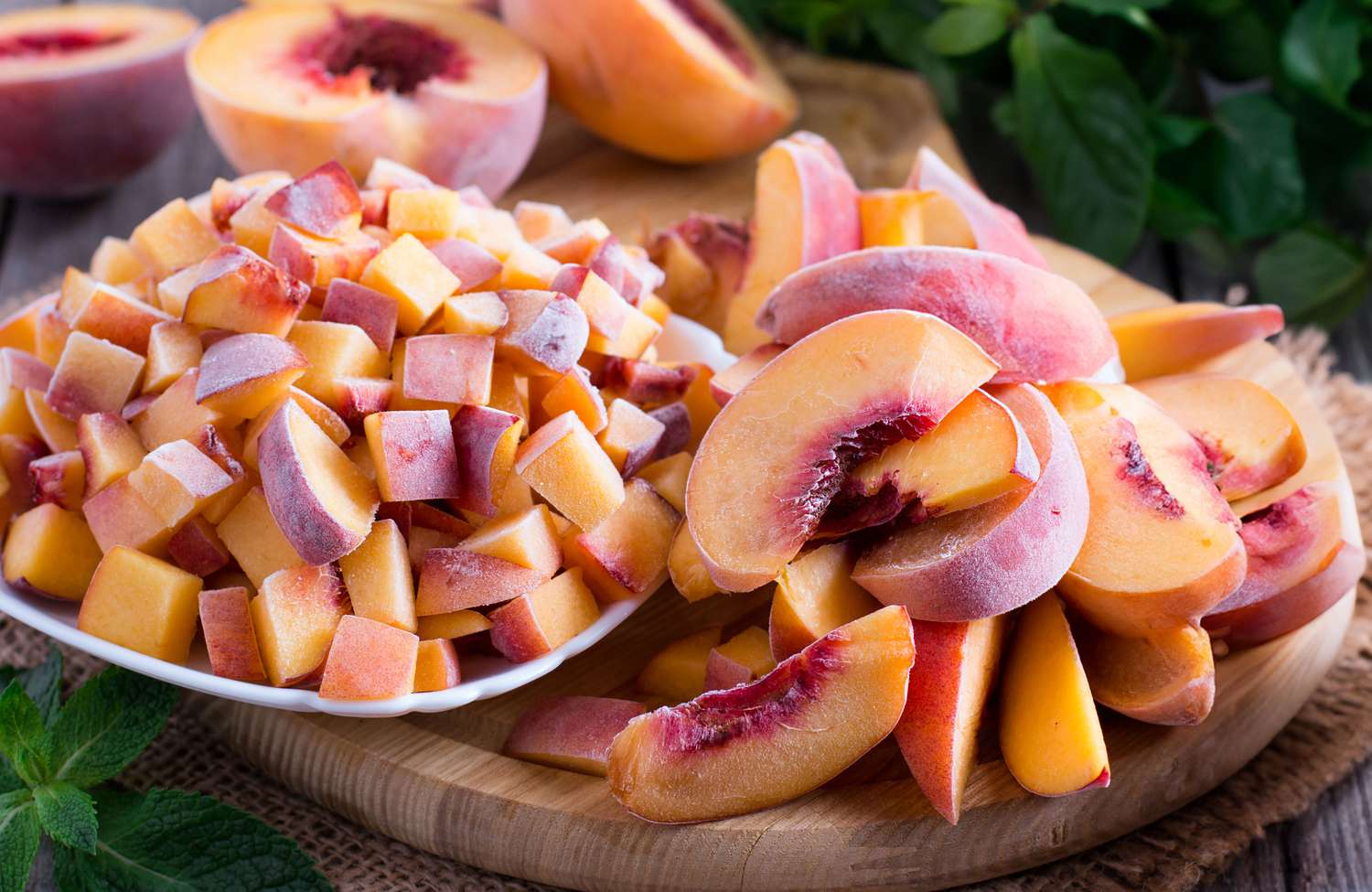
Freeze Peaches Like a Pro: Your 3-Step Guide to Summer Sweetness
There's nothing quite like the taste of a perfectly ripe, juicy peach, dripping with natural sweetness. It's the quintessential flavor of summer, a fleeting delight that seems to vanish all too quickly. But what if you could capture that golden essence and enjoy it months after peach season has ended? The good news is, you absolutely can! Learning
how to freeze peaches is not just a skill; it's a passport to year-round sunshine for your taste buds.
Many of us have experienced the disappointment of peaches going bad before we can enjoy them all, contributing to food waste. In fact, agricultural data suggests that a significant portion of fresh produce, including peaches, is wasted annually in American households. Mastering the art of freezing peaches offers a simple, effective solution, allowing you to savor that peak summer flavor in smoothies, desserts, or even savory dishes, regardless of the season. Forget store-bought frozen fruit with questionable origins; freezing peaches at home ensures you get pure, unadulterated fruit with no added preservatives or chemicals. It's surprisingly easy, requires minimal equipment, and yields delicious results every time.
Why Freezing Peaches is Your Best Bet for Preserving Summer
When it comes to fruit preservation, several methods exist, each with its pros and cons. You might consider canning, freeze-drying, or even dehydrating. However, for most home cooks, freezing peaches stands out as the most practical, efficient, and flavor-preserving option.
*
Canning: While a traditional method, canning is often more time-consuming, requires sterilization, and typically involves cooking the fruit in a sugar syrup, which can alter its natural flavor and texture, not to mention adding unnecessary sugars.
*
Freeze-Drying: This method offers incredible preservation and nutrient retention, but it requires specialized, expensive equipment that isn't typically found in the average home kitchen.
*
Dehydrating: While great for snacks, dehydrated peaches have a chewy texture and concentrated sweetness that isn't always suitable for all recipes where you might want a fresh peach substitute.
Freezing, on the other hand, is wonderfully straightforward. It minimizes preparation time, uses standard kitchen tools, and most importantly, locks in the fresh taste, vibrant color, and nutritional integrity of the peaches without any added ingredients. This means you retain the natural goodness of the fruit, making it a
healthier alternative to many canning methods that rely heavily on sugar. You gain the peace of mind knowing exactly what's in your frozen fruit – just pure, delicious peach.
Essential Tools and Ingredients for Peach Freezing Success
Before you dive into the freezing process, gather your supplies. The beauty of this method is that you likely already own most of what you need!
*
Fresh, Ripe Peaches: The star of the show! Choose peaches that are ripe but still firm. Overly soft peaches will become mushy when frozen, while unripe ones lack flavor.
*
Lemon Juice: This crucial ingredient acts as an antioxidant, preventing the peaches from browning due to oxidation. You can use fresh or bottled lemon juice. About 1/3 cup per 7-8 medium peaches is a good starting point.
*
Large Stock Pot: For boiling water during the blanching process.
*
Large Bowl with Ice Water: Essential for quickly chilling the peaches after blanching.
*
Tongs or Slotted Spoon: For safely transferring hot peaches.
*
Sharp Knife and Cutting Board: For scoring and slicing.
*
Vegetable Peeler (Optional): While blanching makes peeling easy, some prefer a peeler for stubborn spots.
*
Sheet Pan(s): To spread the peach slices in a single layer for flash freezing.
*
Parchment Paper or Silicone Mats: To line the sheet pans and prevent peaches from sticking. Unbleached parchment paper is an eco-friendly choice.
*
Freezer Bags (Quart or Gallon): High-quality, airtight freezer bags are crucial for long-term storage and preventing freezer burn. You can also use rigid freezer-safe containers.
*
Permanent Marker: For labeling your frozen treasures with dates and quantities.
Your 3-Step Guide to Freezing Peaches Like a Pro
Ready to embark on your peach preservation journey? Follow these three simple steps to lock in that incredible summer flavor.
Step 1: Wash, Score, and Blanch for Perfect Peeling
This initial step is key to both hygiene and ease of peeling.
1.
Wash Thoroughly: Begin by washing all your peaches under cool running water. Gently scrub off any dirt or fuzz.
2.
Prepare for Blanching: Bring a large pot of water to a rolling boil. While the water heats, take each peach and carefully cut a small, shallow "X" on its bottom. This score only needs to break through the skin, making it easier to peel after blanching.
3.
Blanch the Peaches: Gently lower a few peaches at a time into the boiling water using tongs. Don't overcrowd the pot, as this can lower the water temperature. Let them boil for exactly 3 minutes. Blanching serves a dual purpose: it loosens the skin dramatically, making peeling effortless, and it helps to stop enzyme action that can lead to discoloration and texture degradation during freezing.
4.
Immediate Ice Bath: As soon as the 3 minutes are up, quickly transfer the blanched peaches from the boiling water directly into a large bowl filled with ice water. This "thermal shock" immediately stops the cooking process and further aids in skin separation. Ensure all peaches get good contact with the ice. Let them sit in the ice bath for at least 3-5 minutes, or until completely cool to the touch. This step is also crucial in preventing them from becoming mushy. By learning to handle your peaches effectively at this stage, you'll
stop wasting peaches due to poor preparation.
Step 2: Peel, Pit, and Slice with Precision
With the blanching complete, this step becomes surprisingly simple and satisfying.
1.
Peel with Ease: Once cooled, remove the peaches from the ice bath. You'll find that the skin practically slides off, especially around the "X" you scored. Many pros prefer to peel *as they slice* to maintain a better grip and prevent the peach from becoming too slippery or messy. Simply grab a loosened edge of the skin and gently pull it away.
2.
Pit and Slice: Once peeled, carefully slice the peach in half around its natural seam. Twist the halves apart to expose the pit. If the peach is freestone (meaning the pit separates easily), simply remove it. If it's clingstone, you might need to use a small spoon or knife to carefully pry the pit out. Then, slice the peach halves into your desired thickness – wedges for pies, smaller chunks for smoothies, or uniform slices for tarts.
3.
Lemon Juice Treatment: To prevent your beautiful peach slices from browning, toss them gently in lemon juice immediately after slicing. Use about 1/3 cup of lemon juice for every 7-8 medium peaches. The citric acid in lemon juice inhibits the enzymatic browning reaction, keeping your peaches vibrant and appealing.
Step 3: Flash Freeze and Store for Long-Lasting Flavor
This final step is what ensures your peaches freeze individually and don't clump together in a solid block.
1.
Prepare for Flash Freezing: Line a large baking sheet with parchment paper or a silicone mat. Arrange your lemon-juice-coated peach slices in a single layer, ensuring they don't touch each other. This is critical for "flash freezing," which allows each piece to freeze individually. If they touch, they'll freeze into one large mass, making it difficult to portion later.
2.
Flash Freeze: Place the sheet pan, uncovered, into your freezer. Make sure your freezer has enough space *before* you add the peaches! Freeze for approximately 2-4 hours, or until the peach slices are completely solid.
3.
Package for Long-Term Storage: Once frozen solid, quickly transfer the individual peach slices into airtight freezer bags. Squeeze out as much air as possible before sealing – a straw can be used to suck out the remaining air, or consider a vacuum sealer for optimal freshness.
4.
Portioning and Labeling: Consider portioning your peaches into amounts you're likely to use for specific recipes. For example, 2-cup portions are perfect for a smoothie, while 4-cup portions might be ideal for a pie or cobbler. Label each bag with the date and quantity to keep track of your stock. Properly stored frozen peaches can last for 8-12 months, though they are usually best within 6-8 months.
Maximizing Your Frozen Peach Experience: Tips & Uses
Now that you've mastered
how to freeze peaches, the culinary possibilities are endless!
*
Smoothie Star: Frozen peach slices are perfect straight from the freezer into your blender. No thawing needed! Combine with yogurt, banana, and a splash of juice for a refreshing treat.
*
Baked Goods Brilliance: For pies, cobblers, crisps, or muffins, you can often use frozen peach slices directly. If your recipe calls for fresh, you might want to thaw them slightly in the refrigerator beforehand and drain any excess liquid to prevent a watery final product.
*
Sauces and Compotes: Simmer frozen peaches with a little sugar and spices like cinnamon or ginger to create a delicious compote for pancakes, oatmeal, or ice cream.
*
Frozen Desserts: Blend frozen peaches into homemade sorbets or add them to ice cream bases for a delightful peachy flavor burst.
*
Savory Surprises: Don't limit peaches to sweet dishes! They make excellent glazes for grilled chicken or pork, and can be added to salsas or chutneys.
Thawing frozen peaches is simple: transfer them to a bowl and let them thaw in the refrigerator overnight. For quicker thawing, place the sealed bag in a bowl of cold water. Remember, the texture might be slightly softer than fresh peaches, but the flavor will be just as magnificent.
Conclusion
Freezing peaches is a simple, rewarding kitchen skill that empowers you to extend the joy of summer far beyond its natural season. By following this easy 3-step guide on
how to freeze peaches, you can ensure a consistent supply of delicious, wholesome fruit, free from preservatives, and ready for any culinary adventure. So, next time those irresistible summer peaches call your name, stock up with confidence. You'll be enjoying their sweet, sunny flavor all year long, proving that a little effort in the kitchen can bring immense satisfaction and incredible taste.